About LowFlight G.E.M — Sustainable Transport Innovation for Humanitarian Relief
Our mission
LowFlight G.E.M exists to support people when access becomes impossible.
We design sustainable transport solutions for disaster relief and remote communities.
Our goal is to deliver aid faster, safer, and with lower environmental impact.
In times of crisis, logistics can save lives.
We help reach areas where roads, runways, and traditional systems fail.
Our work is driven by resilience, innovation, and humanitarian purpose.
How Project Greenlift began
Project Greenlift began with a simple question: how do we reach the unreachable?
Natural disasters often isolate communities and delay critical support.
LowFlight was created to respond to that challenge.
The idea grew from a need for transport that works beyond damaged infrastructure.
We looked to nature for inspiration and efficiency.
This became the foundation of our ground-effect craft innovation.
Today, we continue evolving with one mission in mind:

What is Ground-Effect?
Ground-Effect Machines (G.E.M) harness a natural aerodynamic phenomenon called ground effect, which increases lift and reduces drag when wings fly close to a surface.
Unlike traditional aircraft or marine vehicles, these craft glide just above land or water, combining features of air, sea, and ground transport for increased reach and efficiency.
Why LowFlight matters today
World
Extreme weather events & infrastructure challenges are increasing in scale and frequency around the world.
Community
Communities cut off by disaster need transport solutions that are resilient, sustainable, & adaptable to any terrain.
Sustainablility
Our innovation offers a practical, low-carbon way to connect people, goods, and support when it matters most.
Unique Advantages of LowFlight G.E.Ms
Low Flight G.E.Ms are the only craft designed to meet the US Coastguard’s operational requirements.
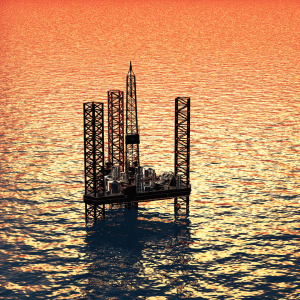
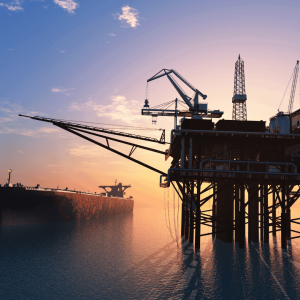
These unique capabilities create opportunities for the G.E.Ms to service offshore industries, now only possible by helicopter operations, at a fraction of the economic and environmental cost.
1
Providing transportation in areas in which energy exploration, development, or production activity takes place on the Outer Continental Shelf.
2
Safely reaching helidecks or platforms located on offshore energy facilities under the craft’s own power.
Decarbonised Transport for Special operations and rapid E-Commerce Market